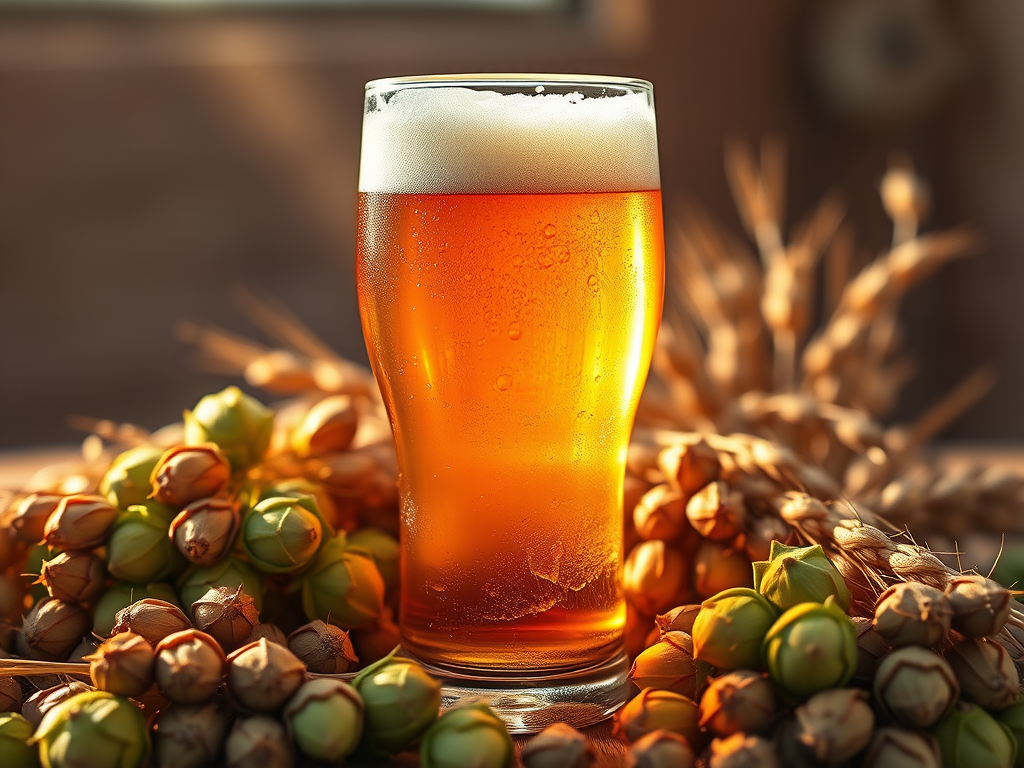

In a hazy world, I’m looking for some clarity.
Let me explain.
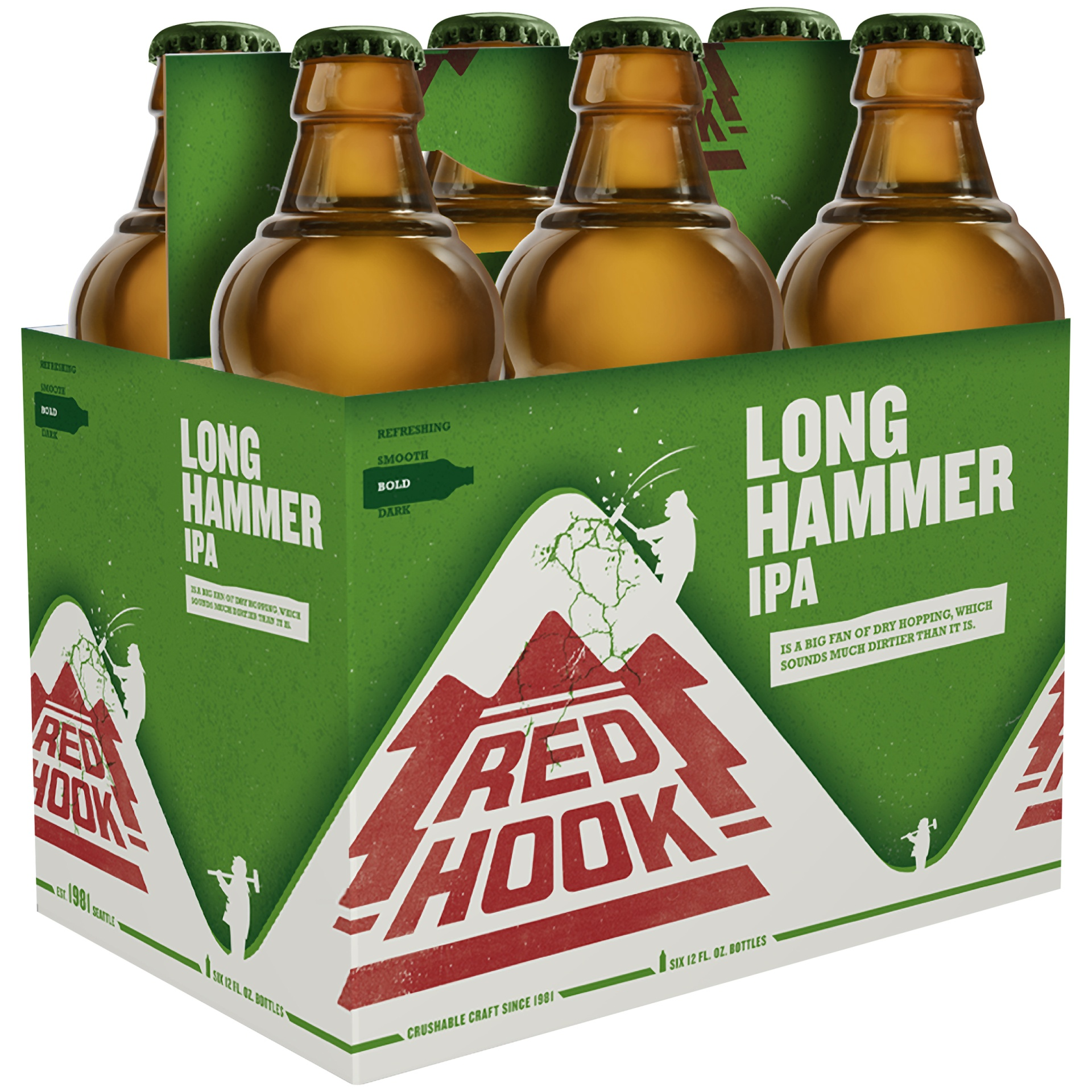
For a very long time – like the vast majority of beer drinkers – I called myself an IPA guy. In my 20s, my go-to was Redhook’s “Long Hammer IPA”, a golden-amber, malt-forward (for the time) brew with classic citrus-and-pine character. Sitting at a whopping 6% ABV (ish), it put the light beers of the world to shame, both in flavor and booze content. Best of all, it was different.
For a while, I actively sought out the strongest and bitterest offerings from any brewery in my general vicinity. I’d buy six-packs of beers with names like “Hop Venom” for the label and the IBUs alone. And while the whole “perception vs. measurement” debate is a post for another day, I’m here to admit it took me too long – and more than a few wasted six-packs – to learn my lesson.
In the early years of the IPA arms race, as breweries competed to make beers that were stronger, hoppiest, and most aggressive, many of them produced volumes of nearly unpalatable beer. Some simply stuffed their recipes with hops – seemingly whatever varieties they could get their hands on – in an attempt to jack up bitterness to throat-scorching levels. Others tried to compensate by cranking up both IBUs and ABV, creating early double and triple IPAs weighed down by syrupy malt sweetness.
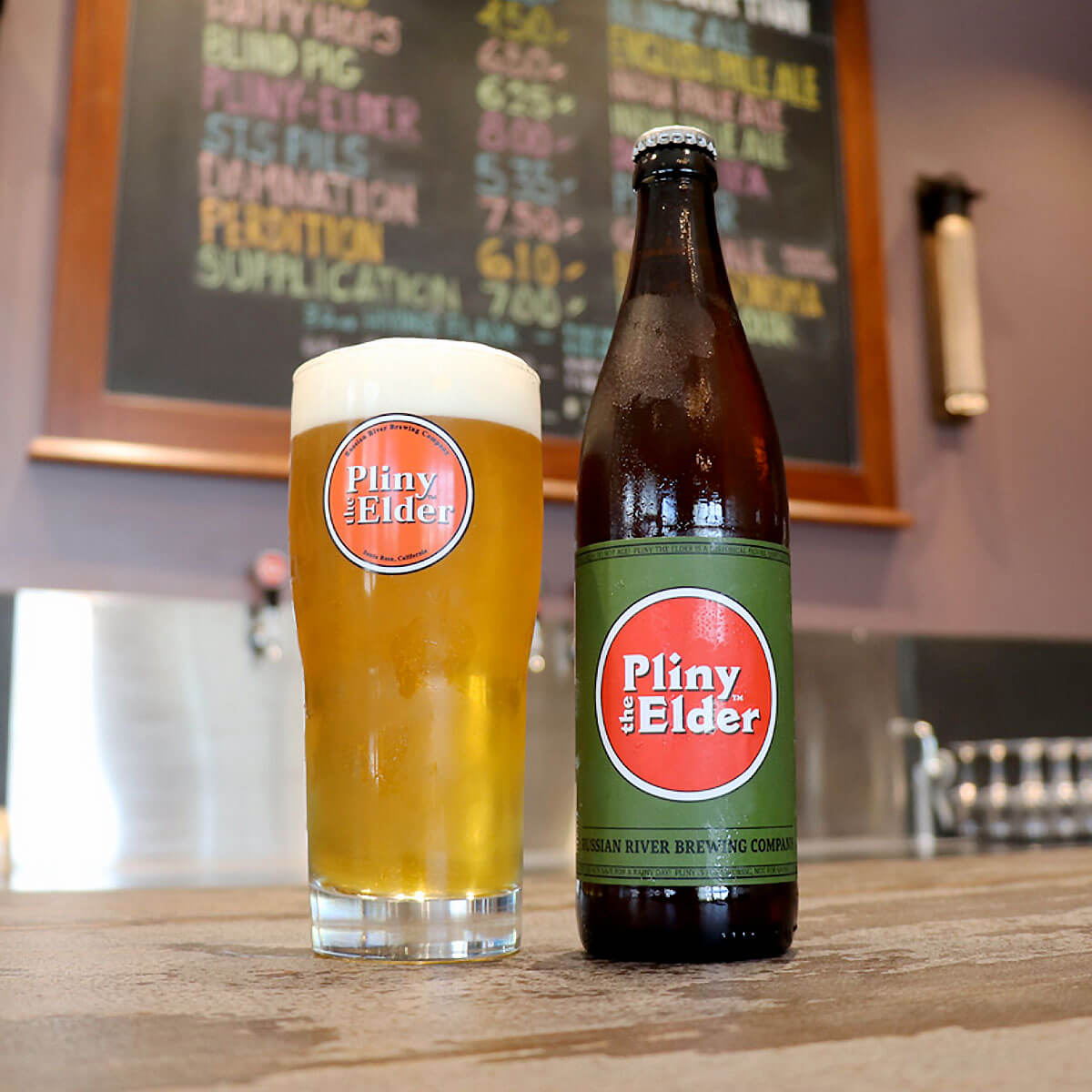
As with most things, practice made perfect. Recipes improved, palates evolved, and the worst offenders quietly disappeared. Beers like Sierra Nevada’s “Torpedo IPA” and Ballast Point’s “Sculpin” proved that hop flavor could be bold without being brutal. Stone’s “Ruination” and Russian River’s “Pliny the Elder” showed that higher-ABV IPAs could still be balanced, drinkable, and refined. And beers like “Union Jack” from Firestone Walker and “Blind Pig” from Russian River demonstrated that well-hopped IPAs could finish clean and crisp—something a lot of drinkers actually want from a beer.
At the same time, brewers began pushing the IPA in a different direction. Clarity gave way to haze, boiled bitterness to dry-hopped aroma. Early releases like The Alchemist’s “Heady Topper” – still an incredible beer – introduced a new idea: complex hop flavor with softer bitterness and smooth, juicy drinkability.
The rest is history.
Thanks to pioneers like Tree House Brewing Company, Trillium Brewing Company, and Bissell Brothers Brewing, hazy (or “New England–style”) IPAs flooded the market. And now? Every brewery—good or bad—has to have a hazy. Or six. Or sixteen.
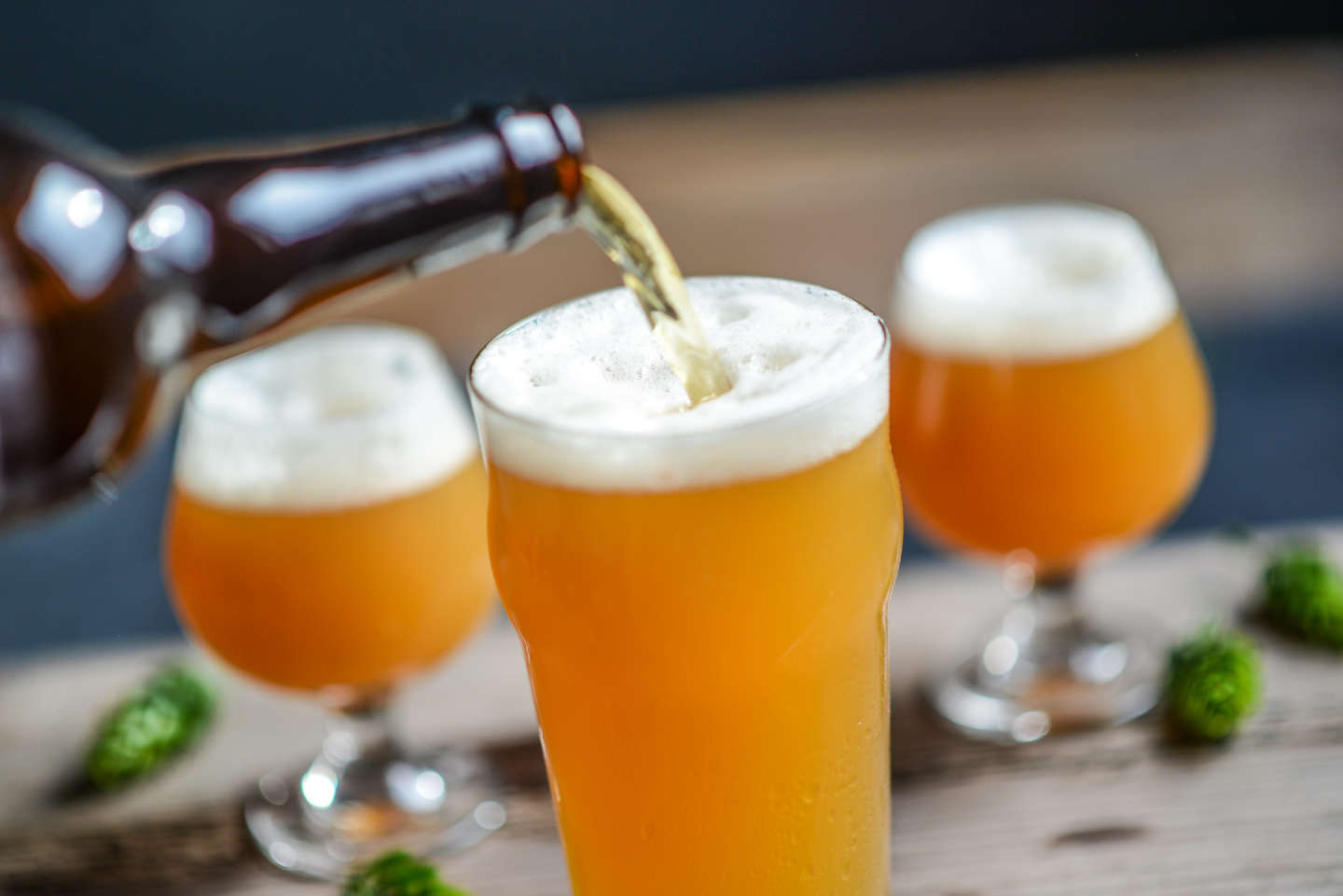
Which brings us back to the present.
If I walk into a random brewery and see both a West Coast IPA and a hazy IPA on tap – and I’m not chasing something specific – I’m choosing the West Coast every time.
Don’t get me wrong: I’ve had a lot of great hazy IPAs, and there are plenty I’ll happily keep drinking. The style is mature, the technique is widely understood, and some of my favorites come from places like Anchorage Brewing Company, Parish Brewing Company, the aforementioned Trillium, BlackStack Brewing, Reuben’s Brews, and Fort George Brewery, just to name a few.
But I’m hitting a wall of haze exhaustion.
Most great hazies are higher ABV – often 8% or more – and have a pillowy, almost viscous mouthfeel. Production methods like skipping filtration, using oats and wheat alongside barley, adding lactose, and relying on low-flocculating yeast all contribute to the style’s signature haze. They also tend to produce a heavier beer.
As a friend once put it: “I want a beer – but I don’t want one I have to chew.”
This is where the West Coast IPA earns its defense.
A good West Coast IPA is clear, or at least honest about what it is. It’s hop-forward without being sweet. It finishes dry. The bitterness isn’t an accident, it’s a feature. Citrus, pine, resin, dankness, even a little bite on the finish: these are flavors meant to refresh, not overwhelm.
At 6–7% ABV, a West Coast IPA can be flavorful without being fatiguing. It’s the beer you can order first and last. It plays well with food. It doesn’t coat your palate and linger like a milkshake. It reminds you that beer can be sharp, bright, and bracing.
In a market saturated with softness, West Coast IPA offers contrast.
It’s not nostalgia. It’s not a rejection of innovation. It’s simply a reminder that clarity – both literal and stylistic – still has a place. And right now, in a very hazy world, that clarity tastes pretty damn good.
 Love, Food & Beer